The Best Hours for Sleep: A Complete Age-by-Age Guide

Sleep is the foundation of a balanced day. It is the moment when the body recovers, the mind reorganises itself, and inner balance is restored. And yet, few of us give sleep the attention it truly deserves.

How many hours of sleep are enough? It depends on age, the quality of the sleep environment, and the habits we build around our bedtime routine. This guide offers a clear overview, from the first months of life through to adulthood.

How Many Hours of Sleep Do We Need? General Recommendations

Sleep needs vary significantly depending on each stage of life. Here is what health specialists generally recommend: 

  • Newborns, 0–3 months: 14–17 hours per day
  • Babies, 4–11 months: 12–15 hours per day
  • Toddlers, 1–2 years: 11–14 hours per day
  • Preschool children, 3–5 years: 10–13 hours per day
  • School-age children, 6–13 years: 9–11 hours per day
  • Teenagers, 14–17 years: 8–10 hours per day
  • Adults, 18–64 years: 7–9 hours per day
  • Older adults, 65+ years: 7–8 hours per day

These ranges are not arbitrary numbers. They reflect the body’s and brain’s natural recovery patterns at every stage of development. 

Baby Sleep: Why It Matters So Much

A baby’s sleep is not just a matter of routine for parents. It is essential for neurological development, memory consolidation, and physical growth. In the first months of life, deep sleep is the time when growth hormone is released and new neural connections are formed.

Babies sleep in short cycles of around 45–60 minutes, alternating between active sleep, also known as REM sleep, and quiet sleep. This is why frequent waking is normal and does not necessarily mean that something is wrong.

For a better understanding of your baby’s sleep behaviour, including why babies may startle or become restless during sleep, we recommend reading our article on why babies startle in their sleep and how you can help them.

What Influences the Quality of a Baby’s Sleep 

Room temperature, light, surrounding noise and, most importantly, the materials that come into direct contact with the baby’s skin can all make a difference. A baby’s delicate skin may react to synthetic materials, dyes or chemical treatments used on textiles.

This is why choosing bed linen and pillows for your little one is not just an aesthetic detail. It is a decision connected to their comfort and wellbeing. Natural, certified materials, free from harmful substances, help create a safe and pleasant sleep environment.

A natural silk baby pillow offers a special kind of comfort: it naturally manages moisture, helps maintain a balanced temperature and is hypoallergenic, making it suitable even for the most delicate skin.

You can explore the full Valeria Home collection of products specially designed for babies.

Deep Sleep: What Happens When You Truly Rest

Adult sleep is not uniform throughout the night. It takes place in cycles of approximately 90 minutes, each including several stages: light sleep, deep sleep, also known as slow-wave sleep, and REM sleep.

Deep sleep is the most valuable stage from a biological point of view. During this phase:

  • The immune system is strengthened
  • Muscles and tissues recover
  • The brain clears toxins accumulated throughout the day
  • Long-term memory is formed and organised

REM sleep, in turn, is essential for emotional balance and for processing daily experiences. Dreams usually occur during this phase.

A truly restful night does not simply mean spending enough hours in bed. It means moving through these sleep cycles without frequent interruptions, in an environment that supports the natural transition from one stage to another.

What Are the Best Hours for Sleep? 

The human body functions according to a circadian rhythm, an internal biological clock synchronised with natural light. Melatonin, the sleep hormone, begins to be released around 9–10 p.m. and reaches its peak between midnight and 3 a.m.

Sleep between 10 p.m. and 6 a.m. is generally considered the most restorative, because it aligns with the body’s natural rhythms. This does not mean that a different sleep schedule cannot be adapted to, but it may require more effort from the body.

Adults who fall asleep after 1 a.m. and sleep for 8 hours may not achieve the same sleep quality as those who follow the body’s natural circadian rhythm.

How the Sleep Environment Influences Rest 

Sleep quality depends just as much on what happens around you. Temperature, light and quiet all matter, but the materials you sleep in are often the last thing we think about.

Think about how many hours a day we spend in direct contact with our bedding: bed linen, pillow and duvet. Eight hours of friction, breathing and skin contact. During this time, the body perspires lightly, temperature changes, and the skin needs an environment that allows it to breathe.

Synthetic materials can create a warm, humid microclimate, interrupt deep sleep and irritate sensitive skin. Natural materials, on the other hand, help regulate temperature, absorb moisture and offer a feeling of genuine comfort that can be felt from the very first night.

Materials That Support Healthy Sleep 

Natural silk is an exceptional material for rest. It actively helps regulate temperature, is hypoallergenic and offers an incomparable feeling against the skin. Silk-filled pillows and duvets provide light, balanced support.

Merino wool is another carefully chosen material for those who want real thermal balance throughout the night. Fine Merino fibres do not feel scratchy, absorb moisture and help maintain a constant temperature, which is essential for deep, uninterrupted sleep.

Organic cotton is breathable, soft to the touch and becomes even more pleasant with every wash. Valeria Home organic cotton bed linen, with a 270-thread count, offers that feeling of genuine comfort that transforms the bed into a true place of rest.

All Valeria Home products are made from these carefully selected materials, with no plastic, no harmful substances, and OEKO-TEX® STANDARD 100 certification. A choice that can be seen in the quality and felt every night.

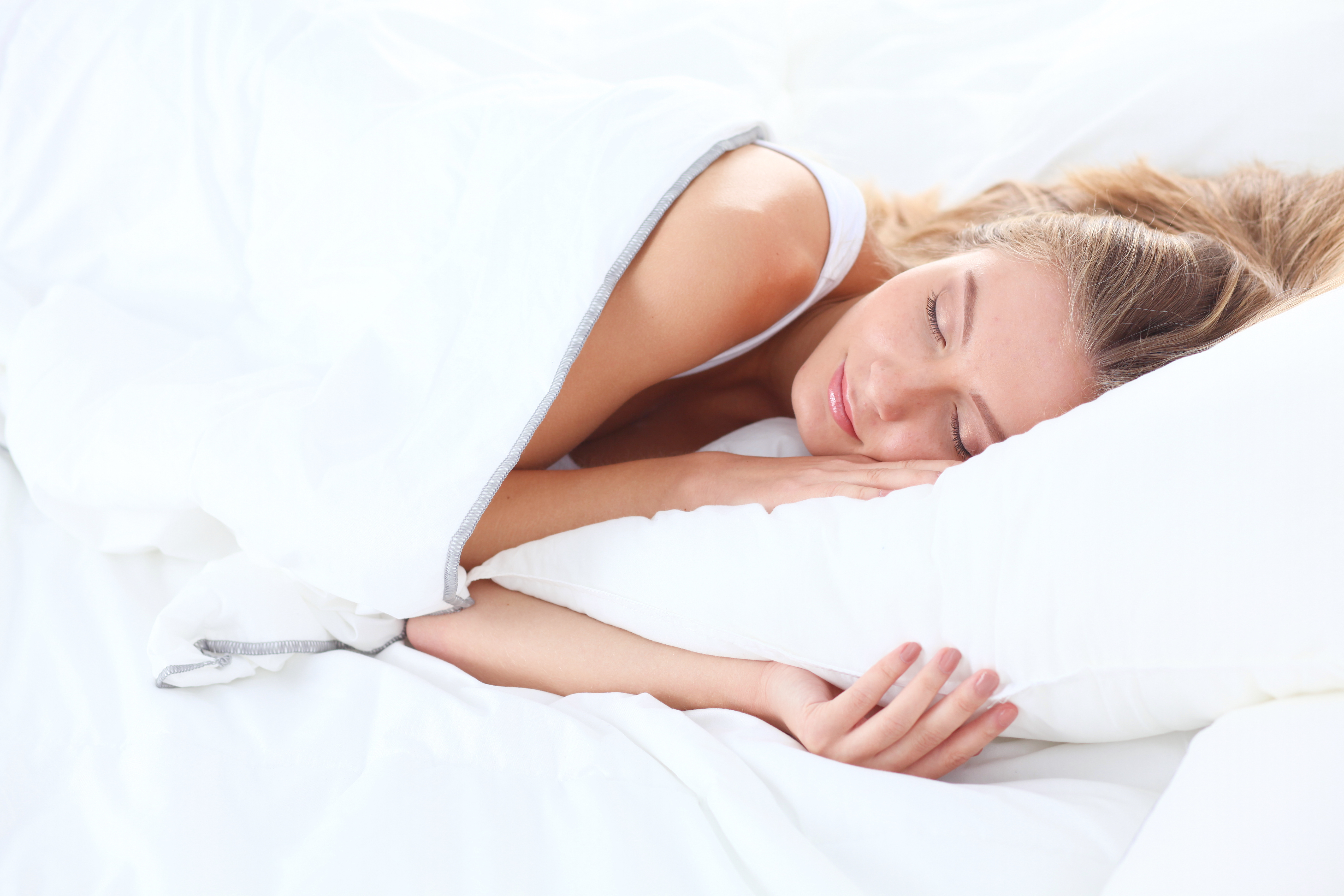
Signs That You Are Not Sleeping Enough or Not Sleeping Well 

The problem is not always the number of hours spent asleep. Sometimes, you may sleep for 8 hours, but if your sleep is fragmented, you may still wake up feeling tired. Here are a few signs to pay attention to:

  • Frequent waking during the night
  • Feeling tired when you wake up, even after a long night’s sleep
  • Difficulty concentrating or reduced memory during the day
  • Irritability or mood changes without a clear cause
  • Needing caffeine in the morning in order to function

If you recognise several of these signs, it may be worth looking not only at how many hours you sleep, but also at the conditions in which you sleep.

Simple Habits That Support Better Sleep 

Better sleep does not require complicated routines. A few simple adjustments can make a real difference in the quality of your rest:

  • Maintain a consistent sleep schedule, including at weekends. The body responds well to predictability.
  • Reduce screen exposure at least 30–60 minutes before bedtime. Blue light can inhibit melatonin release.
  • Keep the ideal bedroom temperature for sleep at around 18–20°C.
  • Create an evening ritual that signals the transition from activity to rest: a book, a cup of tea or a few quiet minutes.
  • Choose natural materials for your bed linen and duvet. The physical environment in which you sleep directly influences the quality of your sleep cycles.

Conclusion

Sleep is not a luxury. It is a fundamental biological need, and its quality depends on several factors working together: the right duration for each age, a respected circadian rhythm, and a carefully considered sleep environment.

From a baby’s pillow to an adult’s bed linen, the materials we choose to sleep in matter more than they may seem at first. Not because it is a trend, but because the difference can be felt in the body, night after night.

Comments (0)

No comments at this moment